The Okanagan Environment
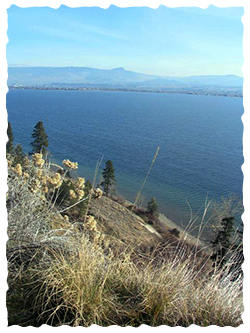
The Okanagan Valley features a string of seven lakes along its length of approximately 160 kilometres (100 miles). The valley was carved out by glaciers during the last ice age occurring in about 16,000 B.C. Today, the Okanagan Valley is a semi-arid climate, and includes the only desert in Canada at its southern end. The average annual precipitation is about 280 millimetres (11 inches).
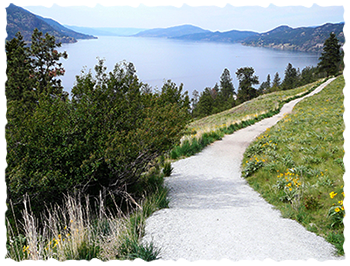
Natural vegetation along the valley bottom, which is at about 300 metres in altitude (1,000 feet), is predominantly Ponderosa Pine and Bluebunch Wheatgrass habitat, along with cactus, Rabbitbrush and sagebrushes in the south.
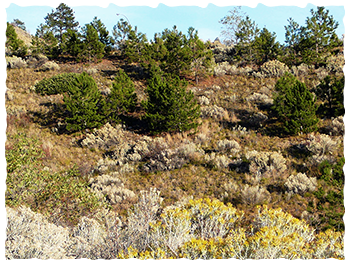
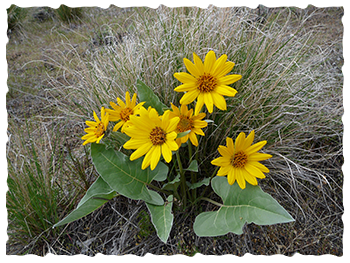
The land slopes up on either side of the mainstem lakes to 500 metres (1,700 feet) on the benchlands. Here in spring, the showy Arrow-leaved Balsamroot turn the hillsides yellow with their blooms against a backdrop of abundant white-flowered Saskatoon bushes. In summer the hills turn brown as the grasses die back for lack of rain. A fall feature is the red berries of the sumac, paired with the grey foliage of the sagebrushes and vivid yellow bloom of Rabbitbrush.
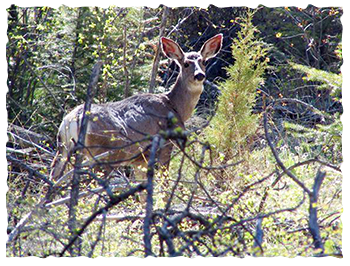
Wildlife include white-tailed and mule deer, yellow-bellied marmot, coyotes, cougars, lynx, black bears and the occasional grizzly bear, as well as moose and elk at higher elevations, and small populations of California bighorn sheep and mountain goats.
The valley has the greatest diversity and population density of bats of any region in Canada and it is host to more than 330 species of birds, more than 200 of which breed locally. Many plant and animal species are found nowhere else in Canada and due to development and human activity many are threatened with extinction.