
PLANT OF THE MONTH- FEBRUARY
by Sigrie Kendrick
Why are snowdrops remarkable?
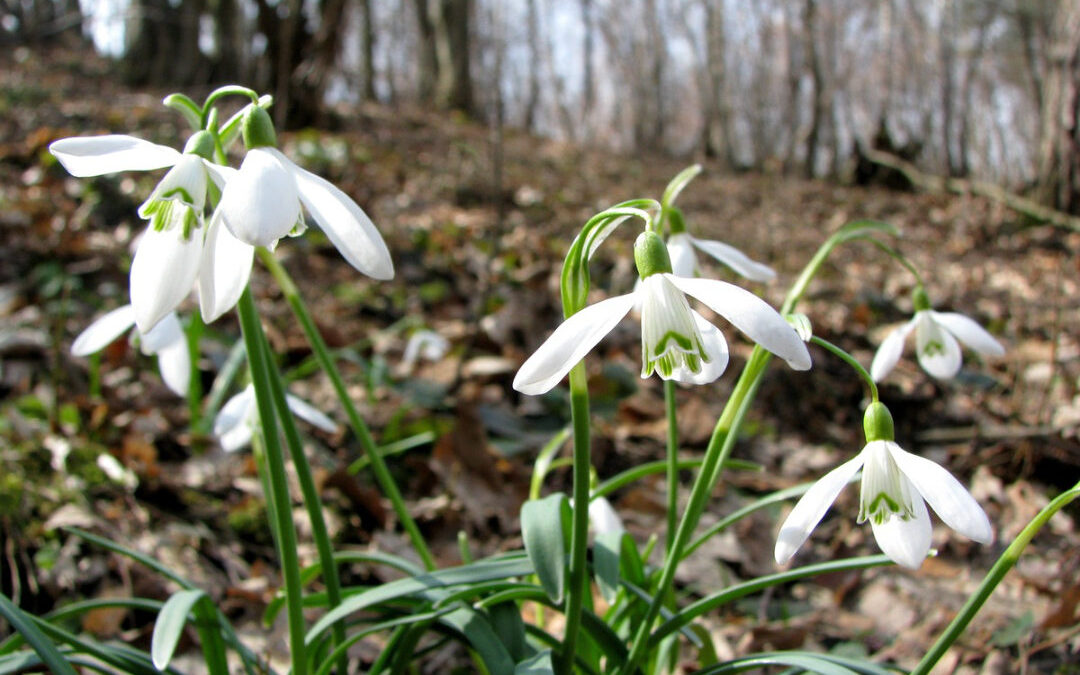
Galanthus nivalis, commonly known as the snowdrop, is a small bulbous perennial plant that has captured the hearts of gardeners and nature enthusiasts worldwide. Native to Europe and parts of the Middle East, this delicate flower is one of the earliest bloomers in the garden calendar, often pushing through frozen soil and even snow cover to display its pristine white flowers.
The botanical name offers insight into its nature – “Galanthus” derives from Greek words meaning “milk flower,” while “nivalis” refers to snow, aptly describing both its appearance and its winter-blooming habit. The snowdrop typically grows to about 15 centimeters in height, with narrow, blue-green leaves and a single pendant flower consisting of three outer tepals and three shorter inner tepals marked with green.
What makes snowdrops particularly remarkable is their ability to flower in the coldest months of the year, usually between January and March in the Northern Hemisphere. This is made possible by several adaptations, including antifreeze proteins in their tissues that prevent damage from freezing temperatures. The drooping posture of the flowers also serves a practical purpose, protecting the plant’s reproductive parts from rain, snow, and cold winds.
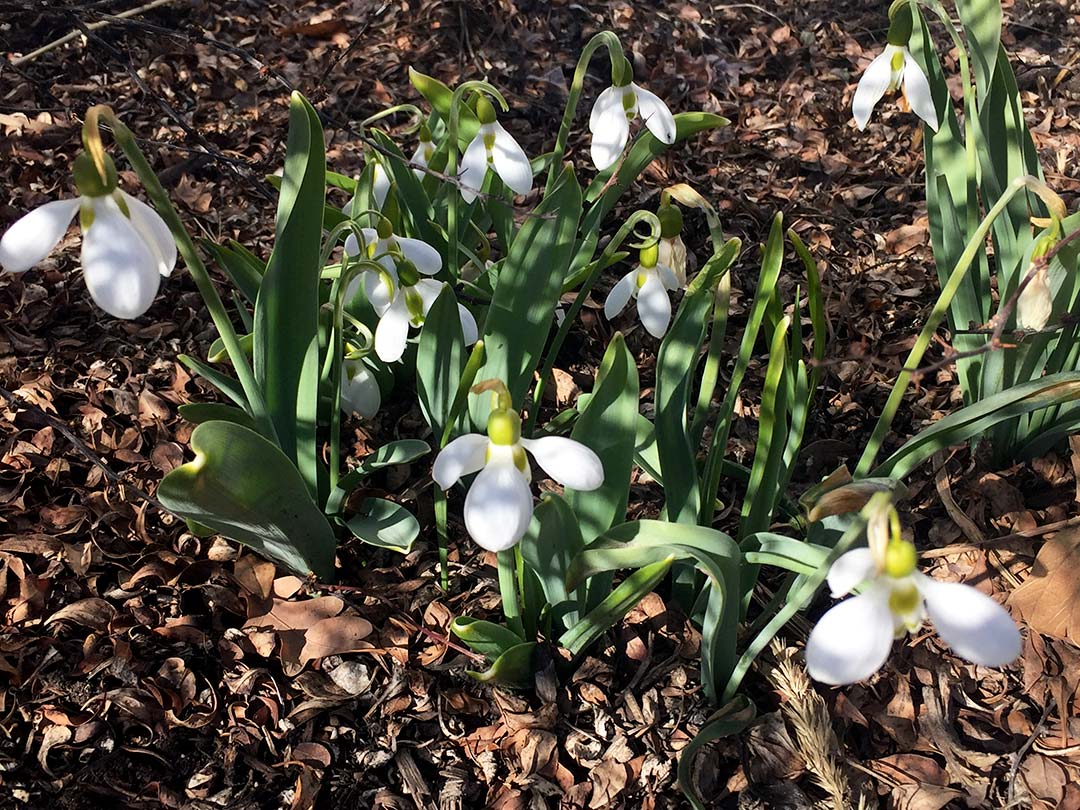
Galanthus Nivalis – the promise of Spring
Snowdrops contain compounds of medical interest, notably galantamine, which is used in the treatment of Alzheimer’s disease. This alkaloid was first isolated from snowdrops and related species in the Amaryllidaceae family, showcasing how even the smallest garden plants can hold significant pharmaceutical value.
For garden enthusiasts, snowdrops inspire a particular passion, sometimes leading to “galanthomania” – the obsessive collection of different snowdrop varieties. Despite their seemingly simple appearance, there are over 20 species and hundreds of cultivars differing in size, flowering time, and the patterns of green markings on their inner tepals. Some rare varieties can fetch prices in the hundreds of dollars for a single bulb.
Planting snowdrops is straightforward, though they prefer partial shade and humus-rich, moist but well-drained soil. They naturalize readily in suitable conditions, forming impressive carpets over time. Most effectively, they are planted “in the green” – that is, shortly after flowering when still in leaf, rather than as dry bulbs.
For many gardeners, the sight of the first snowdrops emerging marks a significant moment in the yearly cycle – a promise that spring, with all its abundance, is on its way.
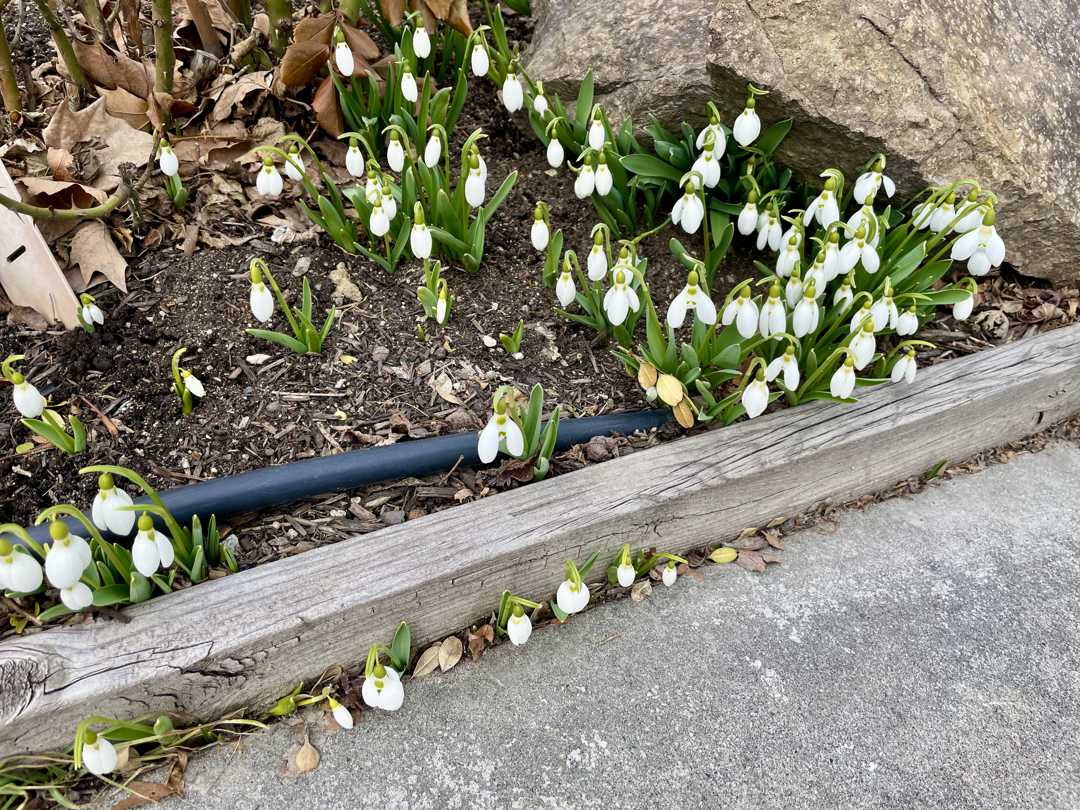
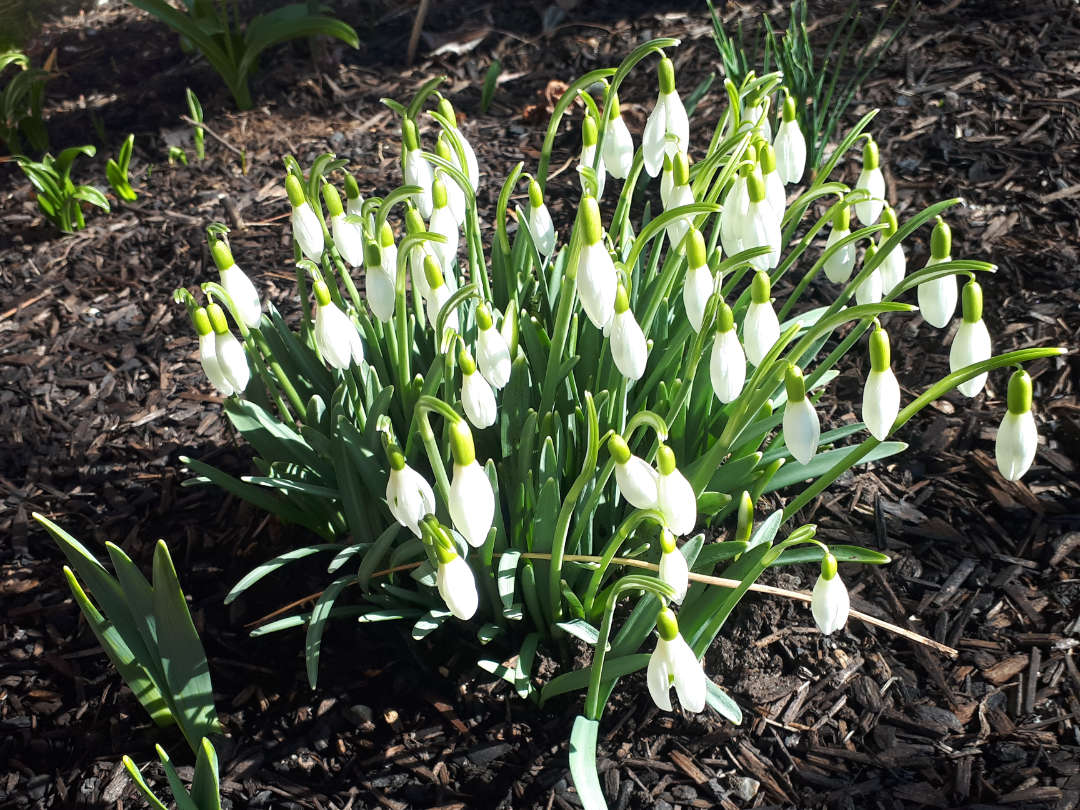
Our Plant Database features more than 500 plants tested and ideally suited for the unique challenges of gardening in the Okanagan’s extreme climate, including the plants in this article.