
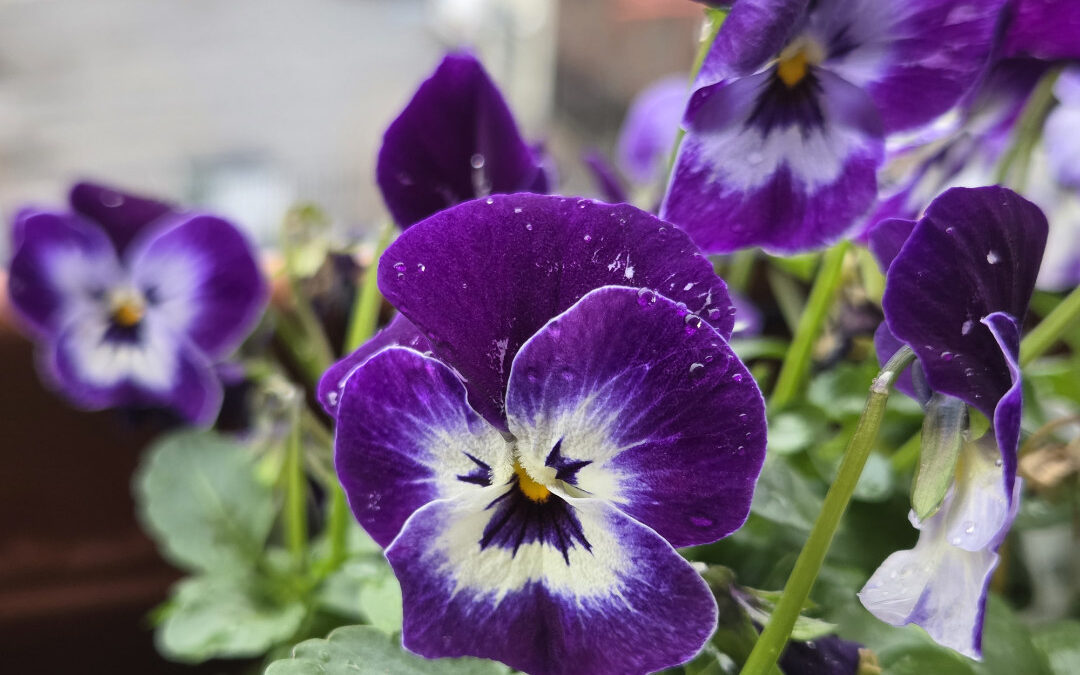
PLANT OF THE MONTH- JANUARY
by Sigrie Kendrick
Wild pansy, heartsease, or Johnny-jump-up
Although not typically considered a xeriscape plant, these diminutive beauties, sited on my patio, receive very little supplemental irrigation and are actually quite drought-tolerant. They have been blooming since September and, with our recent mild weather, continue to do so, brightening the gloomy winter days, making them worthy to feature as Plant of the Month.
Viola tricolour, commonly known as the wild pansy, heartsease, or Johnny-jump-up, is a delightful European wildflower that has captured hearts for centuries. This small but mighty plant, belonging to the violet family Violaceae, displays cheerful blooms in combinations of colours, hence its scientific name “tricolour,” meaning three colors. Blooming in shades of blue, purple, orange, yellow, burgundy, white, and near-black, with many multicoloured varieties, these are tough, fast-growing, self-seeders.
Native to Europe and temperate regions of Asia, this hardy annual or short-lived perennial thrives in meadows, wastelands, and cultivated fields. The plant typically grows 6 to 8 inches tall, with delicate flowers measuring about half an inch across. Each bloom features distinctive face-like markings, with dark lines radiating from the center.
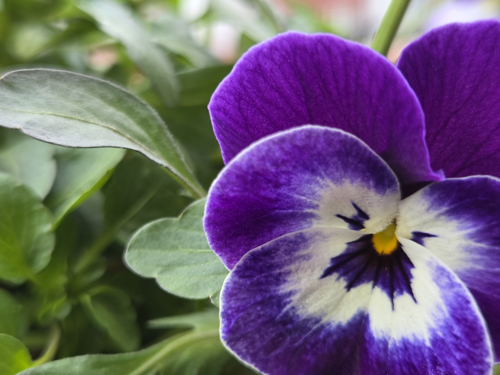
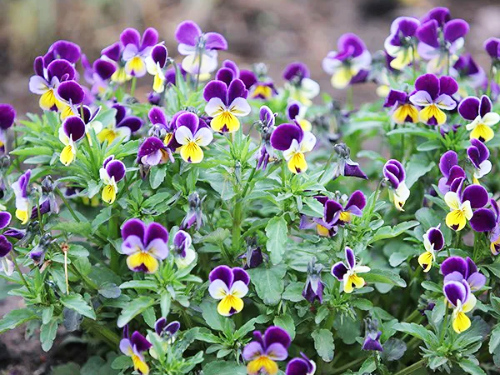
Viola tricolour – folklore and symbolism
Throughout history, Viola tricolour has been steeped in folklore and symbolism. Medieval Europeans called it heartsease because of its supposed ability to mend broken hearts and ease emotional pain. In the Victorian language of flowers, it represented loving thoughts and remembrance. Beyond its ornamental appeal, the wild pansy has practical uses. Herbalists have traditionally employed it to treat skin conditions, respiratory ailments, and inflammation. The flowers are edible and make attractive garnishes for salads and desserts, offering a mild, slightly minty flavor.
Viola tricolour is also the ancestor of the modern garden pansy (Viola × wittrockiana), developed through extensive breeding in the 19th century. While cultivated pansies now boast larger blooms in countless color combinations, many gardeners still cherish the wild pansy’s modest charm and natural grace.
This resilient little flower continues to brighten gardens and wild spaces, reminding us that beauty often comes in small, unpretentious packages. Viola tricolour are typically more heat and drought-tolerant than pansies and worth including in any garden.
Our Plant Database features more than 500 plants tested and ideally suited for the unique challenges of gardening in the Okanagan’s extreme climate, including the plants in this article.