
GARDENING WITH NATURE
Article by Sigrie Kendrick
Good Intentions Need Good Practice
It is important to provide examples of meaningful ways to provide useful feed for pollinators such as bees.
There is no shortage of goodwill when it comes to helping pollinators. Gardeners across the Okanagan are increasingly aware that bees, butterflies, and other beneficial insects are under pressure, and many are eager to do something meaningful about it.
The question is not whether to act, but how to act effectively. When it comes to pollinator support, good intentions need to be matched with good practice, and good practice begins with understanding what pollinators actually need.
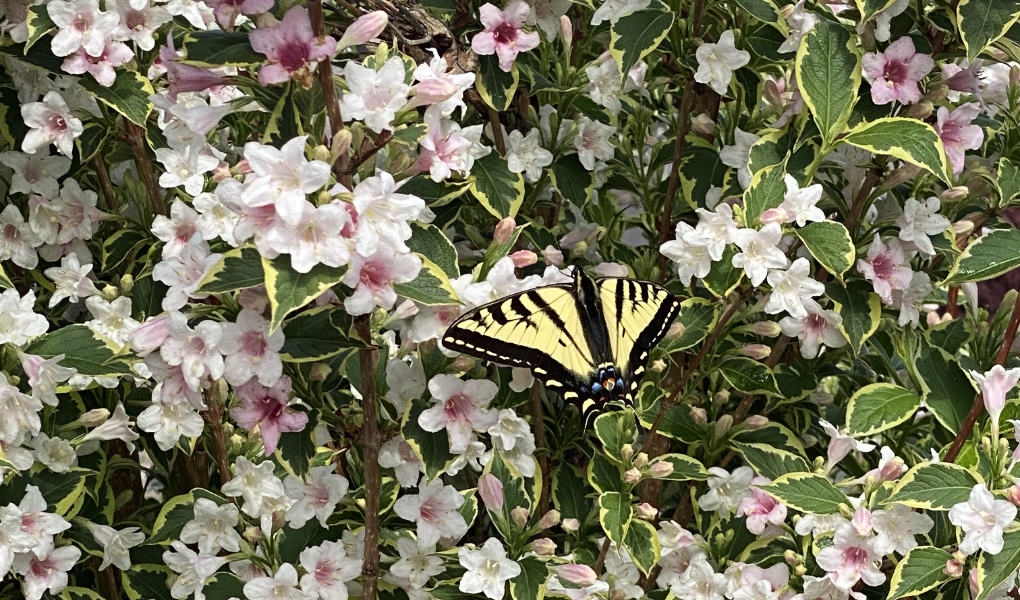
Swallowtail butterfly on Weigela
Prioritize Native Plants for Pollinators
The single most impactful choice a gardener can make is to prioritize native plants. This is not simply a matter of regional preference or aesthetics but ecology. Our native bees, many of which are solitary ground-nesters, evolved alongside native flowering plants over thousands of years. Their life cycles, foraging windows, and nutritional requirements are calibrated to those plants in ways that no introduced species can replicate.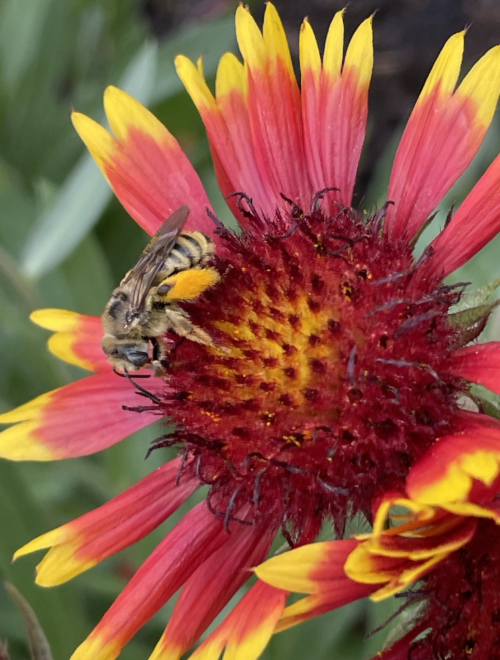
Gaillardia
Photo by Judie Steeves
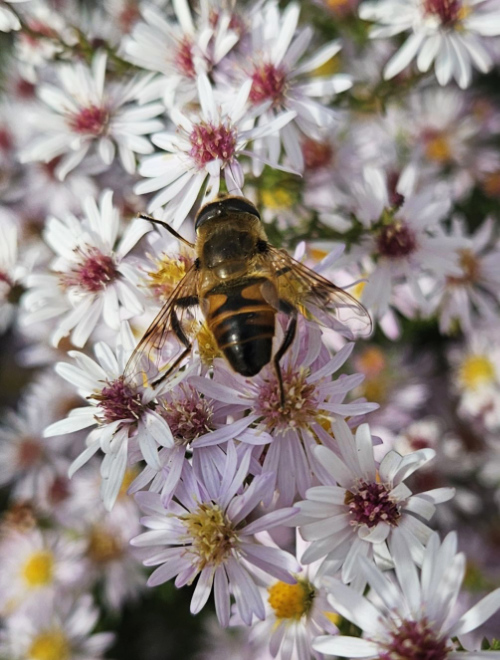
Asters
Photo by Sigrie Kendrick
Provide Blooms Throughout the Growing Season
The Okanagan is home to a remarkable diversity of native flora that serves pollinators across the season.
Early-blooming species like Pulsatilla vulgaris (Pasque flower) and Geum
triflorum (Prairie smoke) bridge the hungry gap of early spring, offering high-quality pollen at precisely the moment when emerging queen bumblebees and solitary bees need it most.
As the season progresses, plants like Balsamorhiza sagittata (Arrowleaf balsamroot) and Penstemon species carry the load through late spring and early summer by supporting both generalist and specialist bee species.
Mid-season support can come from Gaillardia aristata (Blanket flower), and Linum lewissi (Blue flax).
Later-season bloomers such as Monarda fistulosa and various Asters along with Solidago (Goldenrod), are critical for bees building winter reserves.
A garden that staggers bloom times across this full season is doing far more for pollinators than any single showpiece plant ever could.
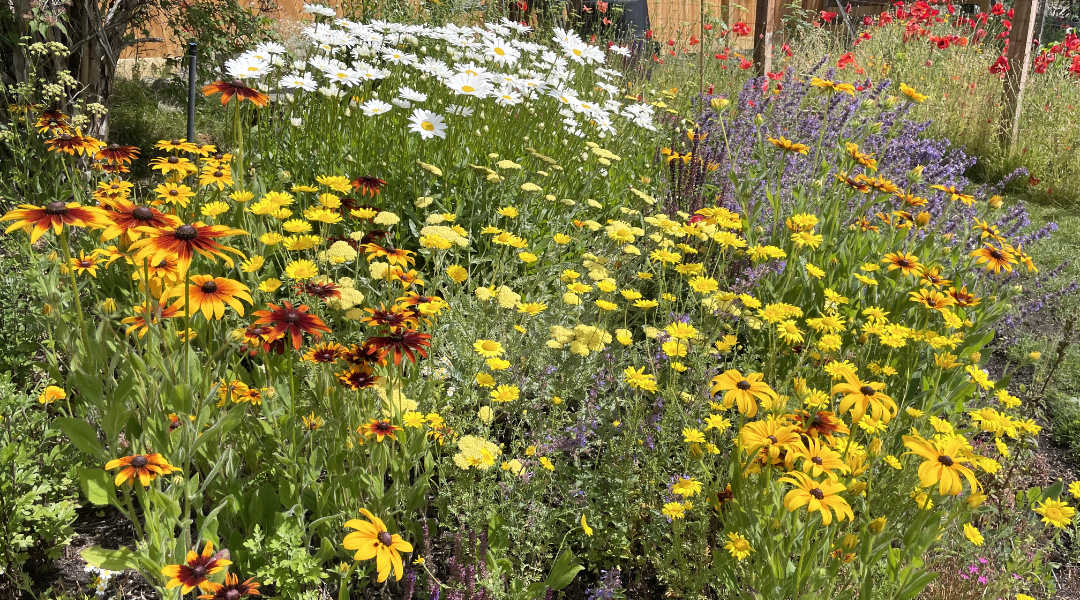
Pollinator paradise in an Okanagan garden
Photo by Judie Steeves
Think in Sequences, Not a Single Peak of Bloom
One of the most common mistakes in pollinator gardening is designing for a single peak moment, a burst of midsummer colour that looks beautiful but leaves pollinators with little before or after. Best practice means thinking in sequences and focusing on the ‘shoulder seasons’– early spring and late fall, as there is lots for pollinators to snack on at the height of summer. Aim for at least three distinct flowering periods in your garden starting with early spring and progressing through midsummer, and late summer into fall. Even a modest yard, planted thoughtfully with a dozen well-chosen native species, can provide nearly continuous forage from March through October.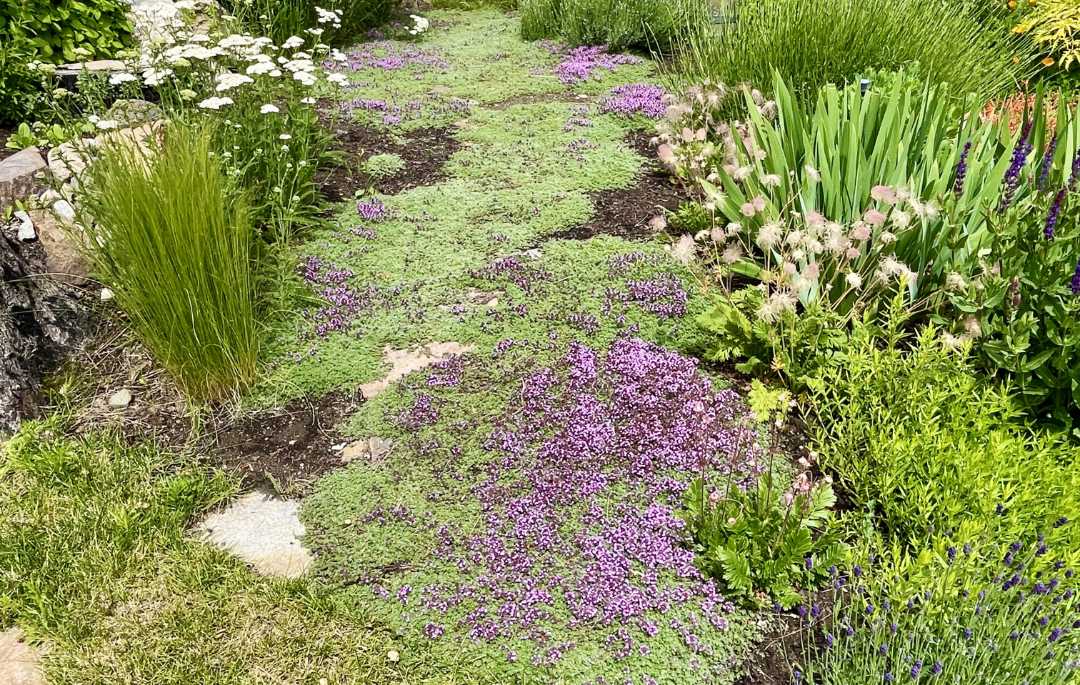
Wooly Thyme pathway
Photo by Judie Steeves
Group Plants to Make Foraging Easier
Groupings matter too. Pollinators forage more efficiently when plants are massed rather than scattered. A cluster of five Echinacea is far more useful than five individual plants of five different species dotted randomly across a bed.
When planning or replanting, think in drifts of perennials, generous sweeps of the same plant that a bee can forage systematically before moving on.
Give Pollinators Places to Nest and Overwinter
Nectar and pollen are essential, but pollinators also need places to nest, overwinter, and raise young.
Roughly 70 percent of native bee species are ground-nesters, requiring patches of bare or sparsely vegetated soil in a sunny, well-drained location.
Leaving small areas of the garden unplanted or selectively clearing mulch from a south-facing slope can make a meaningful difference.
Other species nest in hollow stems or pithy wood, so leaving dead stalks standing through winter rather than cutting them to the ground in autumn is one of the simplest and most effective habitat actions available.
Provide Water for Pollinators
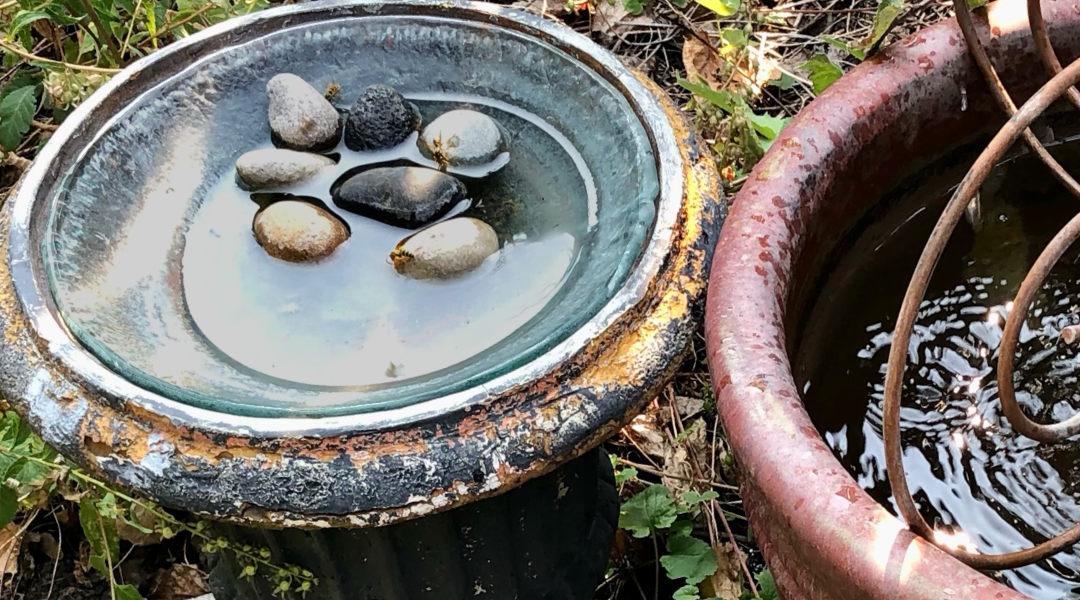
Water access for pollinators is often overlooked. Consider adding a shallow dish with pebbles or marbles for bees to land on. A regularly refreshed water source adds another layer of support, particularly during the dry Okanagan summer.
Avoid Pesticides Where Possible
Pesticide use, even products marketed as “bee-safe,” poses significant risks to non-target insects. If pest pressure demands an intervention, choose the least-toxic option, apply in the early morning or evening when pollinators are least active, and never spray open flowers. In a well-balanced garden with healthy native plant diversity, pest problems often diminish naturally as predatory insects, themselves supported by that same diversity, do their work.Create Pollinator Corridors Across the Okanagan
Individual gardens are pieces of a larger picture. When neighbours, community spaces, and public plantings all incorporate native species and pollinator-conscious practices, the cumulative effect is significant. These pollinator corridors allow bees to move through spaces, forage and thrive.