
What Okanagan Gardeners Need to Know
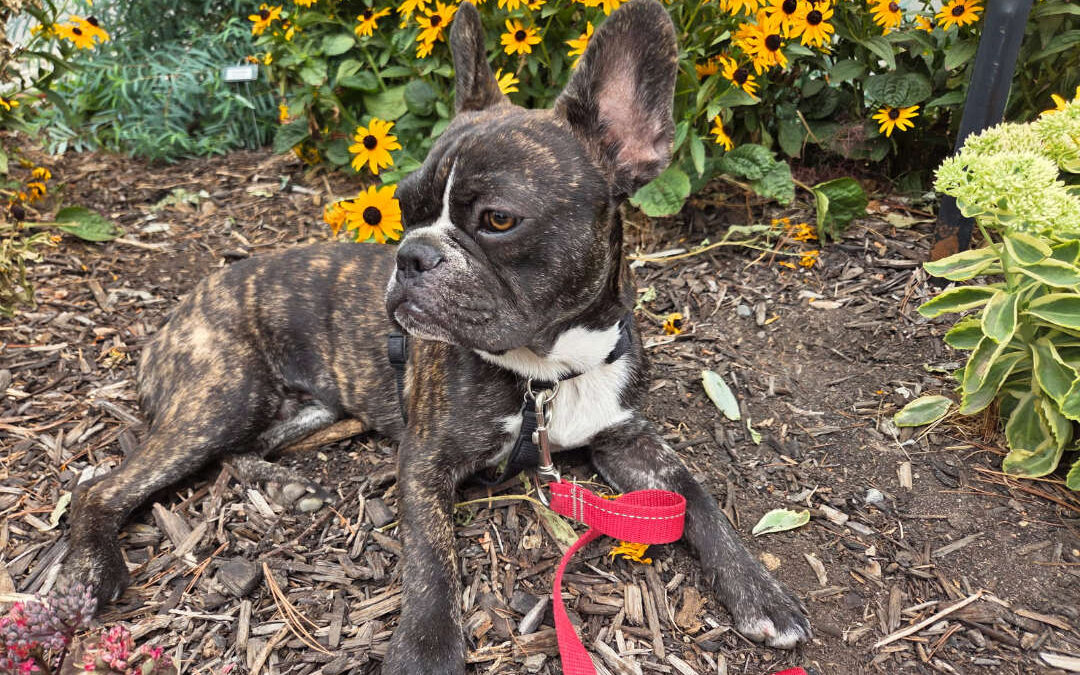
I uncovered some valuable but rather alarming news the other day after my Frenchton puppy, Newton, went on a snacking spree while being dog-sat at a friend’s garden. It’s stress no pet owner needs. After some research, I learned there are some common xeriscape plants you need to keep your pet from munching on. For many Okanagan gardeners, the shift to drought-tolerant landscaping has been a welcome one, with less watering, fewer weeds, and a garden that thrives through our hot, dry Okanagan summers. But for households with dogs, xeriscaping brings an added consideration as several of our most popular water-wise plants carry some degree of toxicity to our canine companions. Knowing which ones deserve a second look, or a spot out of paw’s reach, can save you an anxious call to the vet and the accompanying stress I recently experienced.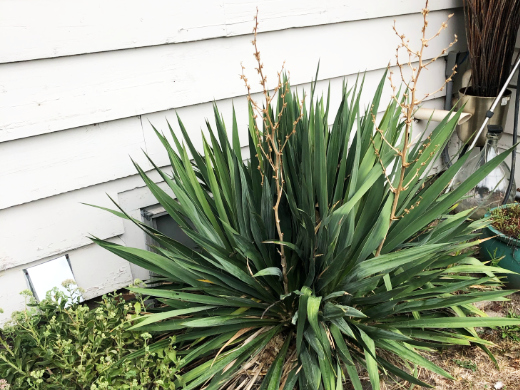
Yucca
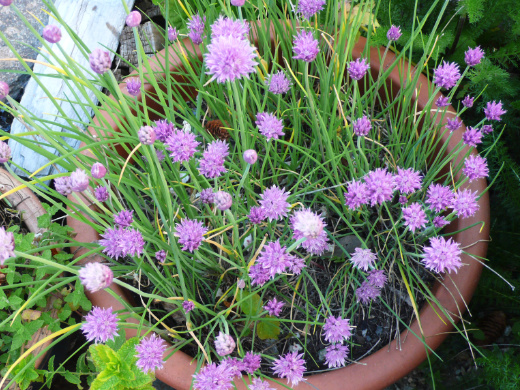
Garden chives
Xeriscape Plants to Watch Around Dogs
YUCCA
Few plants say “xeriscape” quite like Yucca, with its architectural rosettes of stiff, sword-like leaves and towering flower spikes. It thrives in poor, rocky soil and needs almost no supplemental water once established making it ideal for Okanagan slopes and gravel beds. Unfortunately, all parts of the plant contain something known as steroidal saponins, and ingestion can cause vomiting, diarrhea, and lethargy in dogs.
The sharp leaf tips are also a mechanical hazard for curious noses and paws.
ALLIUM
The globe-shaped blooms of ornamental Allium are one of my favourite for adding structure and pollinator interest to a xeric border, and the bulbs are remarkably drought-hardy.
But Allium species, including ornamental onion, along with garden chives and garlic, contain compounds that damage red blood cells in dogs, potentially leading to hemolytic anemia, a condition where blood cells burst within the bloodstream.
Bulbs are the most concentrated source of toxins, so dogs that dig, like mine, are at greatest risk. Symptoms may not appear for several days after ingestion, which makes it easy to miss the connection.
Bearded Iris
Bearded Iris requires minimal watering and rewards gardeners with a spectacular early-summer bloom but the entire plant is toxic.
Its rhizomes store enough moisture to shrug off dry spells but also contains irisin, a toxic compound that can cause drooling, vomiting, and diarrhea if chewed.
Most cases are mild, but dogs that make a habit of excavating garden beds should be kept away from Iris plantings.
Yews
Yew hedging is a familiar sight in Okanagan landscapes, prized for its dense, drought-tolerant evergreen structure and tolerance of poor soils and heat.
It is also one of the more dangerous plants on this list.
Nearly every part of the yew, apart from the fleshy red aril around the seed, contains taxine alkaloids that affect the heart and can be fatal in relatively small amounts.
Given how popular yew is in the Okanagan, gardeners with dogs may want to consider whether it belongs near an accessible yard, or whether a safer conifer substitute makes more sense.
Lavender
Lavender is a xeriscape mainstay for good reason. This perennial is fragrant, pollinator-friendly, and content with minimal irrigation.
Lavender contains small amounts of linalool, the consumption of which can cause vomiting, diarrhea, and lethargy in dogs.
Fortunately, most, but not all, dogs are deterred by the strong scent before they eat enough to cause a problem.
Yarrow
Yarrow, our tough, feathery-leaved native is a staple of Okanagan low-water borders.
Yarrow is only mildly toxic to dogs, typically causing vomiting, diarrhea, or excessive drooling if a significant quantity is consumed.
It’s a good example of how “toxic” covers a wide risk range, as yarrow’s risk is far lower than that of yew, but worth knowing all the same.
It should be noted that while almost all Ornamental grasses are non-toxic, Cordyline australis, often used as a centerpiece in annual plantings, is toxic to dogs.
Toxicity in plants exists on a spectrum, from mild gastrointestinal upset to genuine medical emergencies.
The dose your canine consumes matters, a dog that nibbles a leaf is in a very different situation from one that digs up and eats a bulb.
If you suspect your dog has ingested a toxic plant, contact your veterinarian immediately and try to identify the plant involved.
Creating a Dog-Friendly Xeriscape Garden
None of this means abandoning xeriscaping if you share your landscape with a dog.
It simply means being deliberate–
- Fence off higher-risk plantings,
- Choose dog-friendly xeric alternatives like Russian sage, Catmint, or Ornamental grasses for accessible areas
- Know your own dog’s habits.